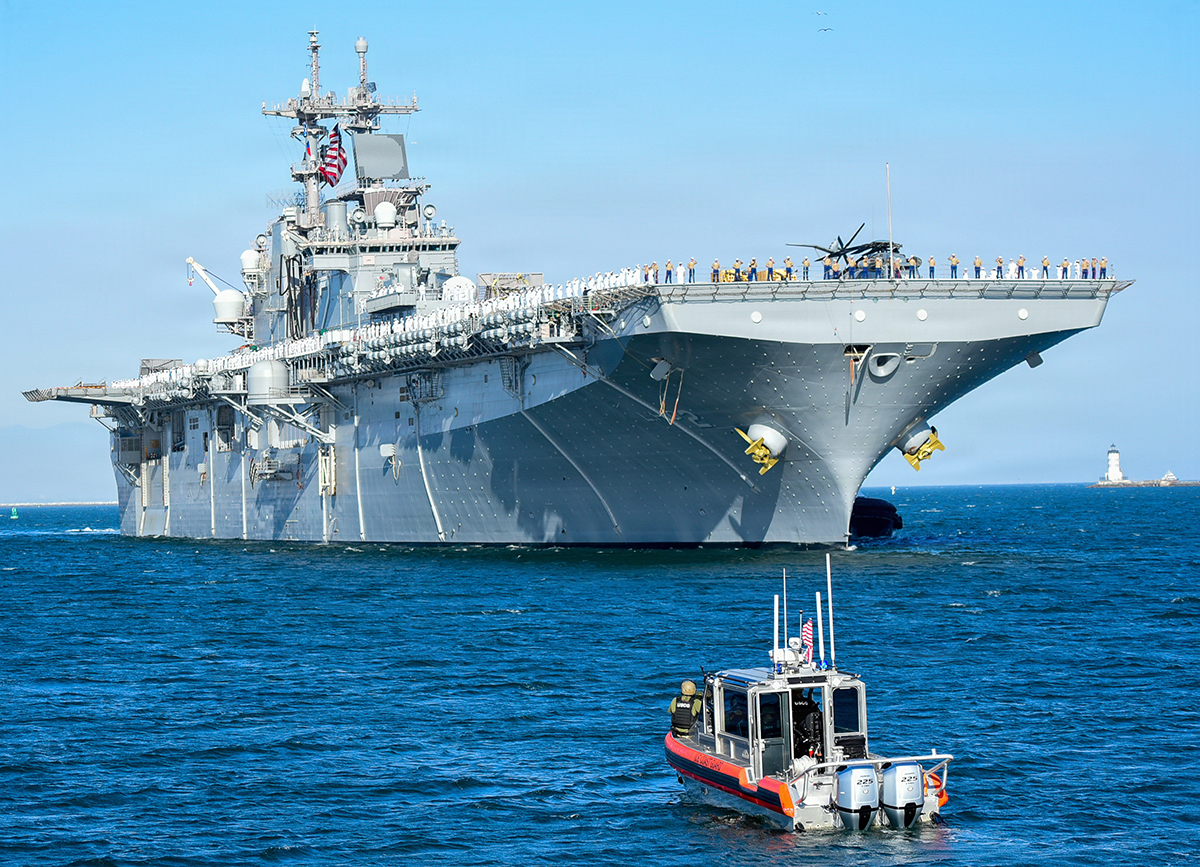
In contested operations, ports are no longer assumed to be available, secure, or fully functional. They are high-risk nodes that can be degraded, denied, or destroyed, placing immediate pressure on logistics timelines and mission execution.
Dr. Aaron Byrd, ERDC research civil engineer, is advancing how the Army addresses that challenge. His work centers on developing digital tools that provide planners with immediate access to global port data and the ability to rapidly assess infrastructure performance under uncertain conditions.
The Port Operations Rating Tool (PORT) integrates worldwide port characteristics into a smart web-based platform, allowing planners to evaluate throughput, identify constraints, and make data-driven decisions in real time. The System for Port Expeditionary Assessment and Repair (SPEAR) builds on that capability by enabling rapid assessment of port capacity against repair timelines, transforming analysis that once took weeks into decisions made in minutes.
Together, these tools reduce reliance on vulnerable infrastructure, support identification of alternate ports, and enable faster deployment of engineering assets. The result is a more resilient logistics network and increased speed of global force projection in contested environments.
On this episode, Byrd explains how PORT delivers accessible, integrated port intelligence for planning and execution (5:02); how SPEAR reduces throughput assessments from weeks to minutes (11:21); and how both tools enable identification of resilient logistics hubs and alternate ports to sustain operations in contested environments (14:24).
Visit PowerofERDCPodcast.org/63-accelerating-port-assessments-contested-logistics_resources for more information. Watch a video of this podcast at PowerofERDCPodcast.org/63-accelerating-port-assessments-contested-Logistics_video.
Podcast: Play in new window | Download

Recent Comments