Navigating modern waterways demands precision engineering to safeguard our economy, prevent maritime accidents and eliminate millions in unnecessary construction and dredging costs.
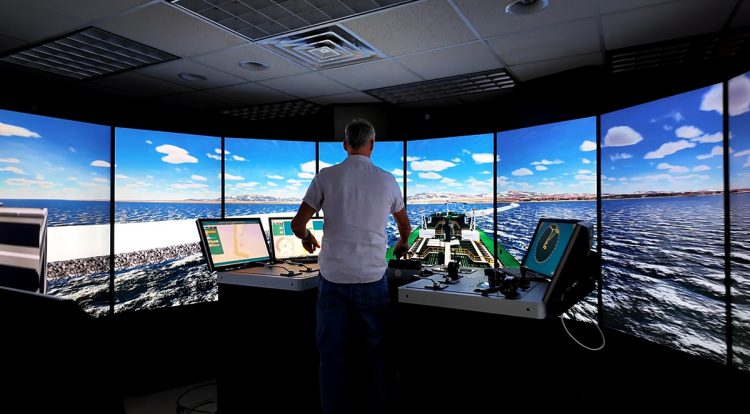
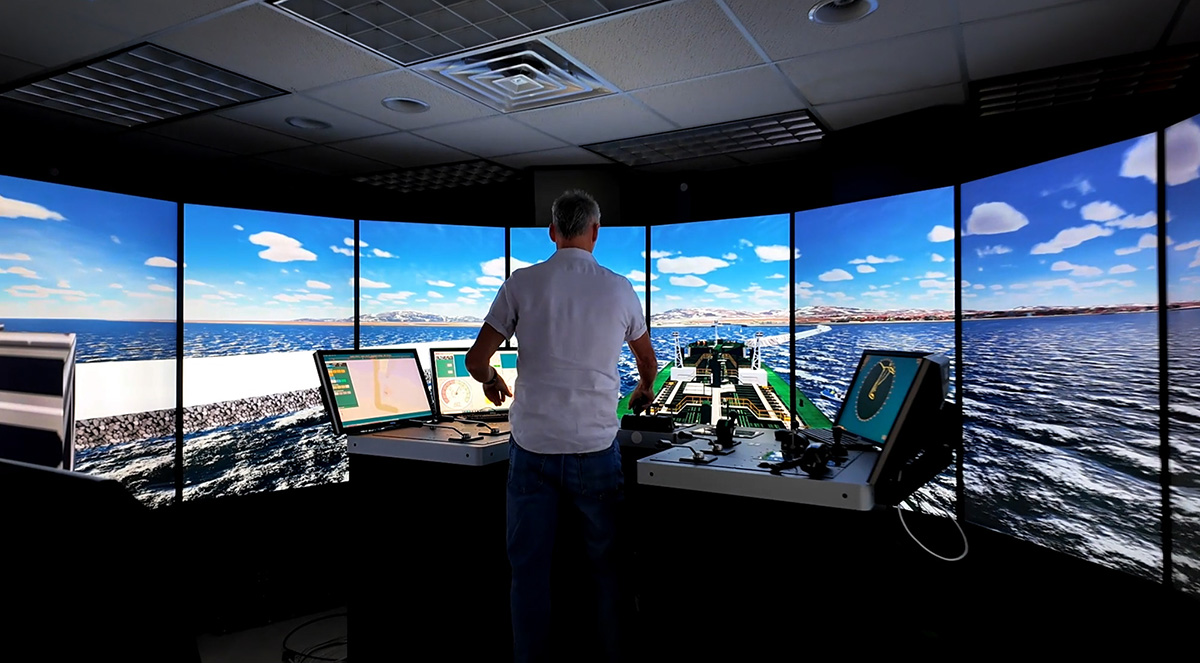
To meet this challenge, an order from U.S. Army leaders and an updated Engineering Regulation have established the U.S. Army Watercraft and Ship Simulator, located at ERDC’s campus in Vicksburg, Mississippi, as the primary authority for all U.S. Army Corps of Engineers (USACE) navigation projects.
By integrating ERDC’s physics-based hydrodynamic modeling expertise with hands-on evaluations from certified local pilots, this facility significantly reduces project risks and provides measurable cost avoidance long before construction begins.
In this episode, we are joined by Dr. Keith Martin and Richard Hunt, program leads with the Watercraft and Ship Simulator team, to discuss the simulation facility’s capabilities (1:35), the changes brought about by a new mandate from Army leadership (3:45) and the impact the facility and team have had — and continue to have — on critical civil works and maritime projects (7:10). We also discuss the risks — both physical and financial — if design teams decide not to use simulation capabilities (7:53), the differences between ERDC’s ship simulation facility and private-sector facilities (9:12) and the important role experienced boat pilots play in the success of simulation projects (11:13).
For more information on the Watercraft and Ship Simulator, the new engineering regulations, success stories and more, visit PowerofERDCPodcast.org/80-Watercraft-And-Ship-Simulator_Resources. You can also watch a video of this podcast at PowerofERDCPodcast.org/80-Watercraft-And-Ship-Simulator_video.
Podcast: Play in new window | Download